Start with the whole person.
Your training history, food preferences, schedule, available equipment, and starting point. The details that make the plan yours.
Assessment & conversationDeep science. Personal coaching. Training and nutrition built around your body, your ambitions, and the life you lead.
About seven minutes. No payment details.
Based in Kuala Lumpur.
Personal coaching. Worldwide.
Professionals, parents, and coaches across nine countries. Each one began with their own starting point.
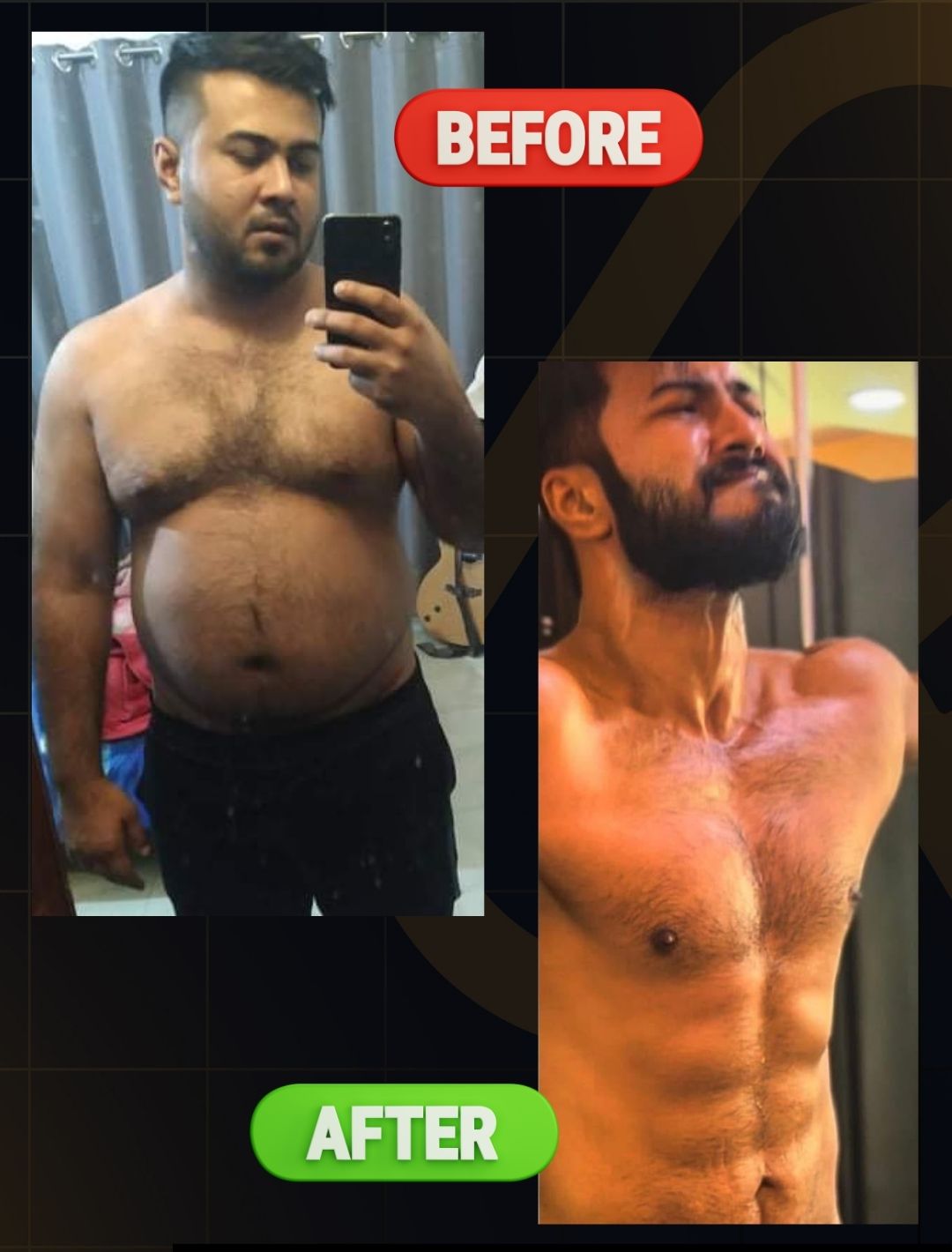
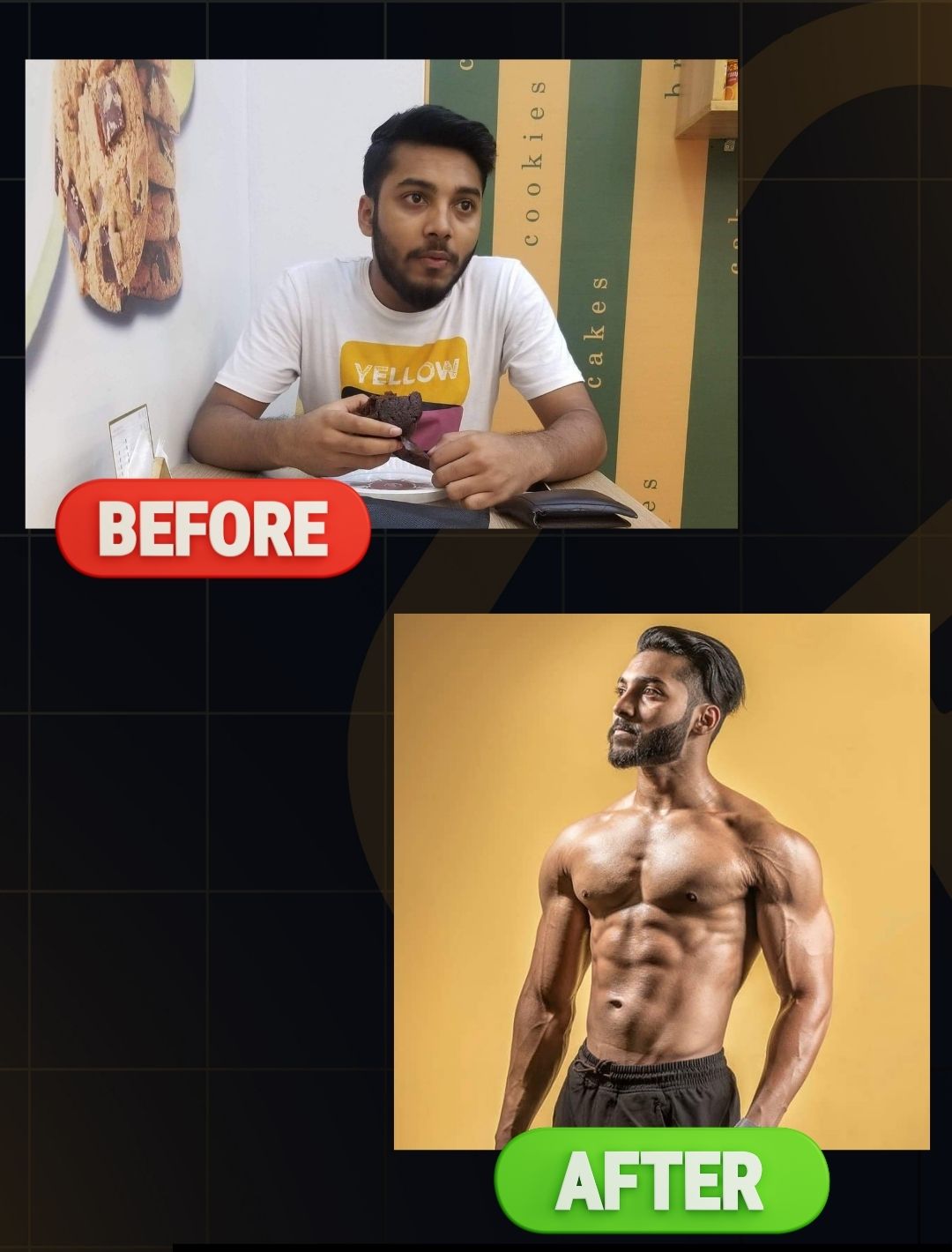
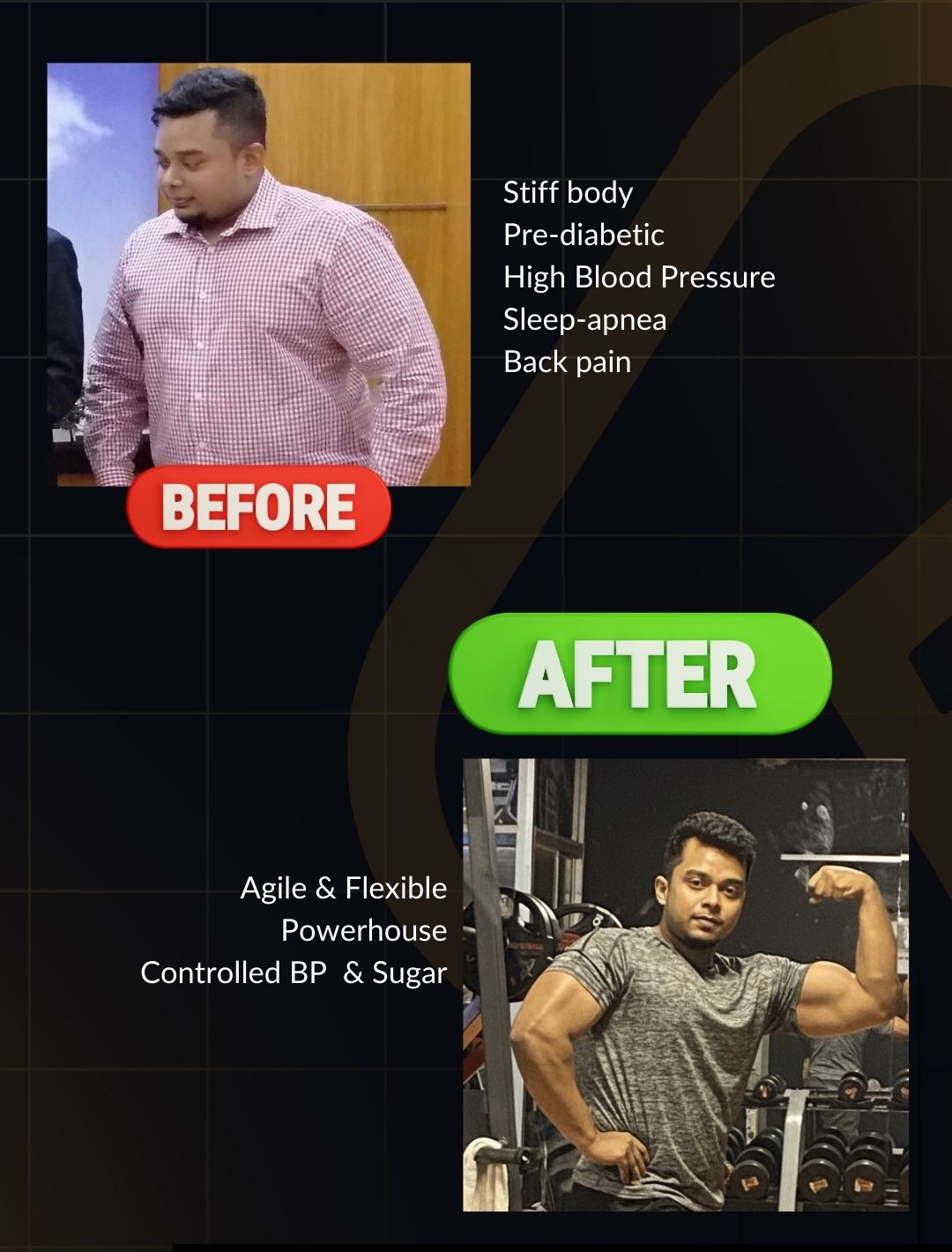
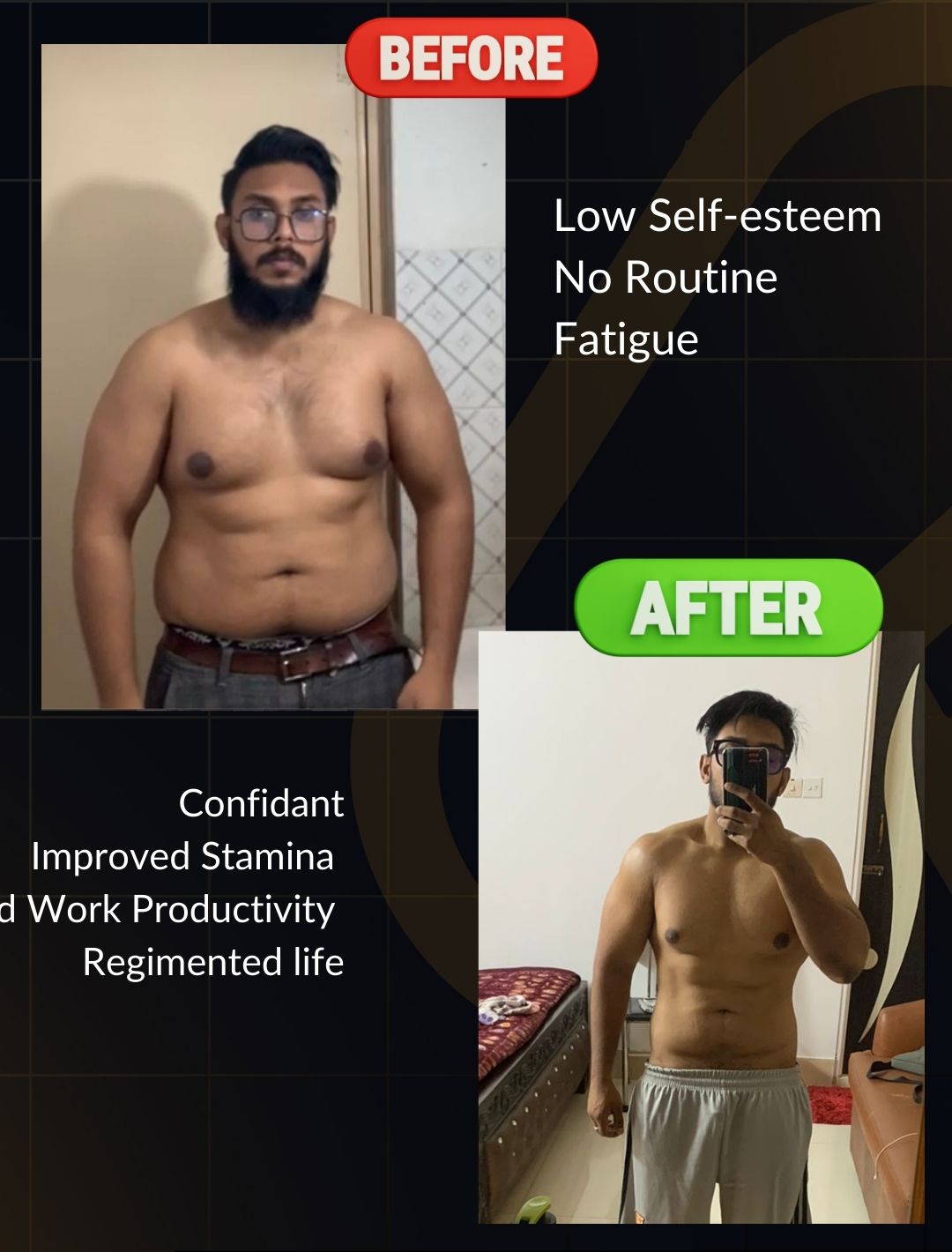
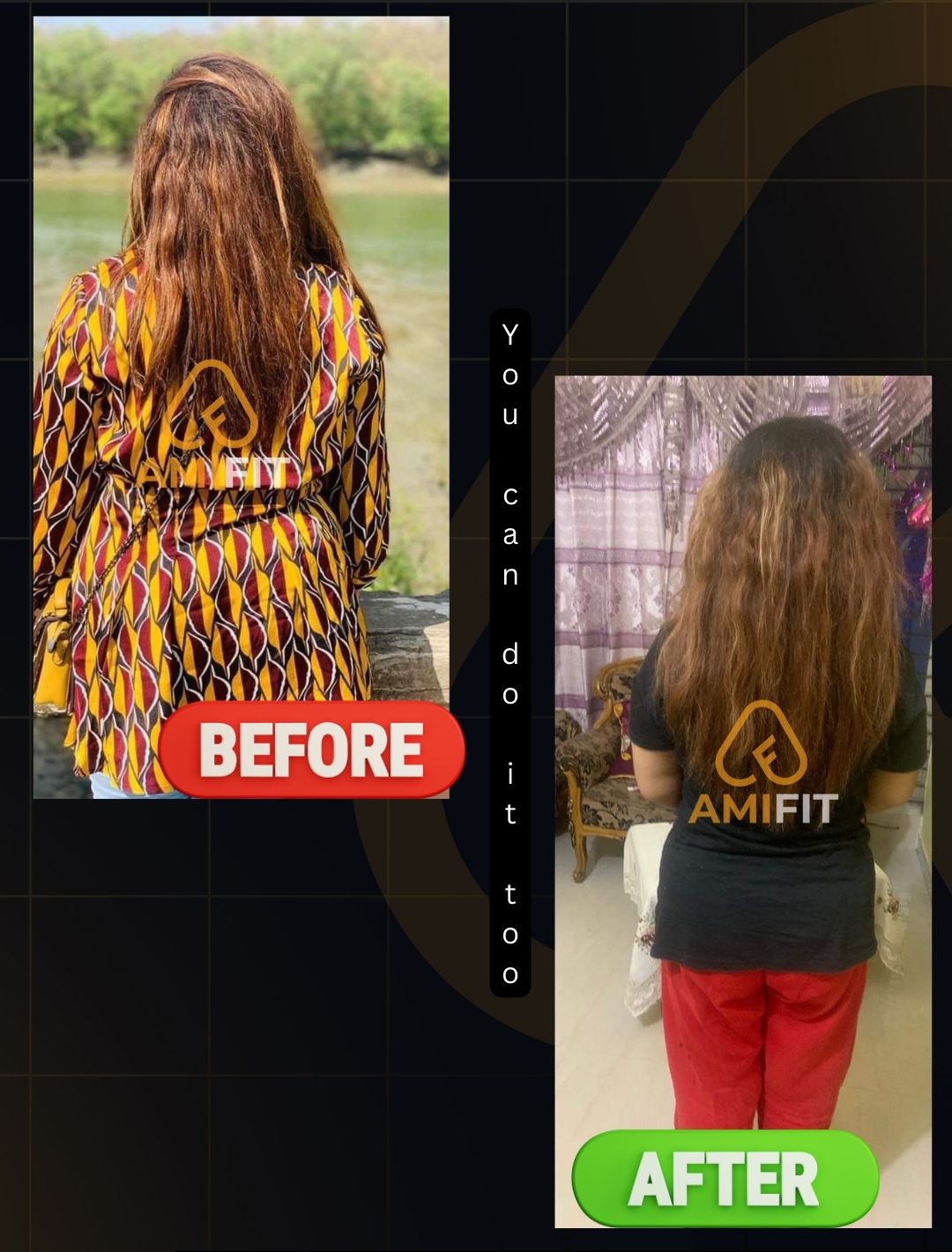
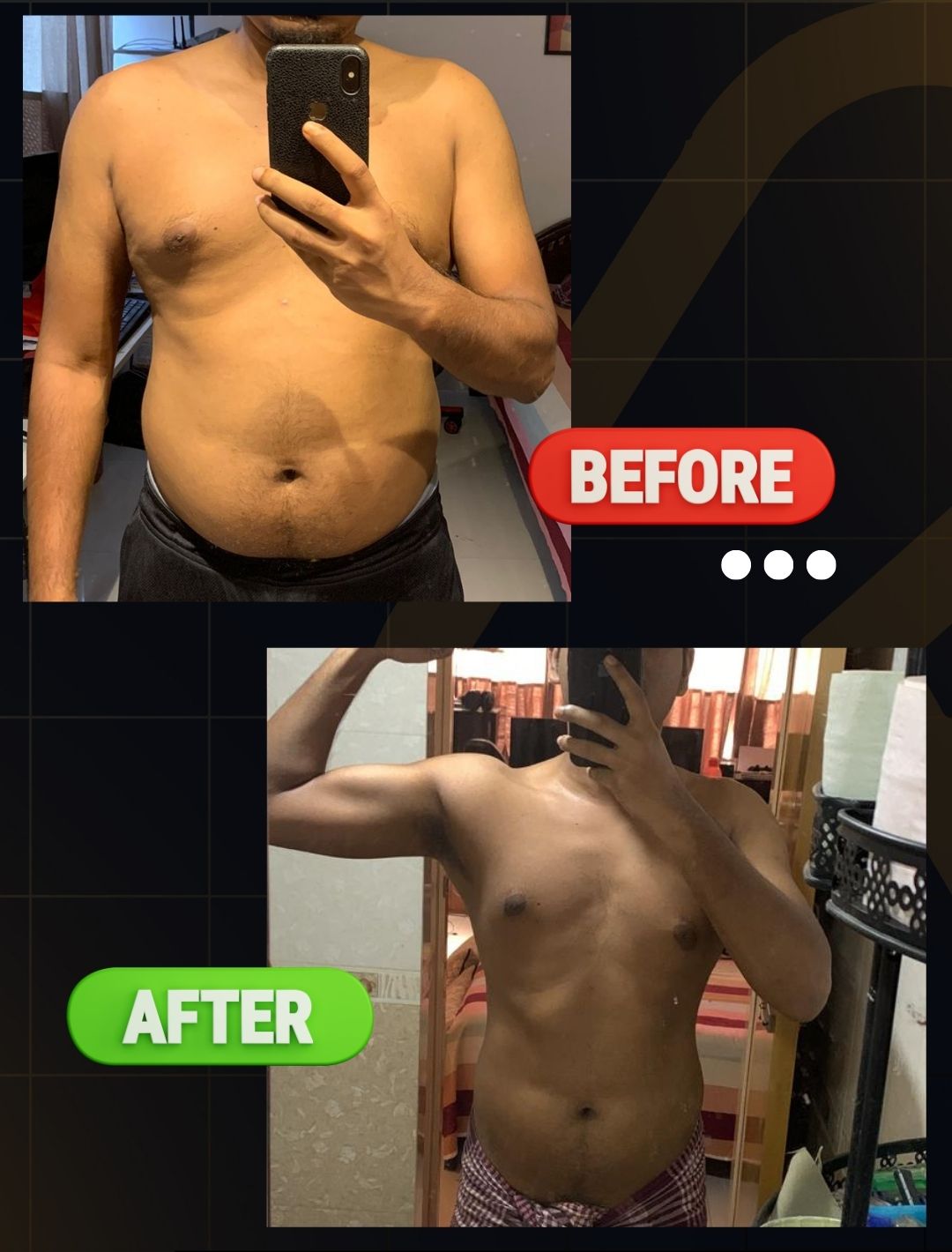
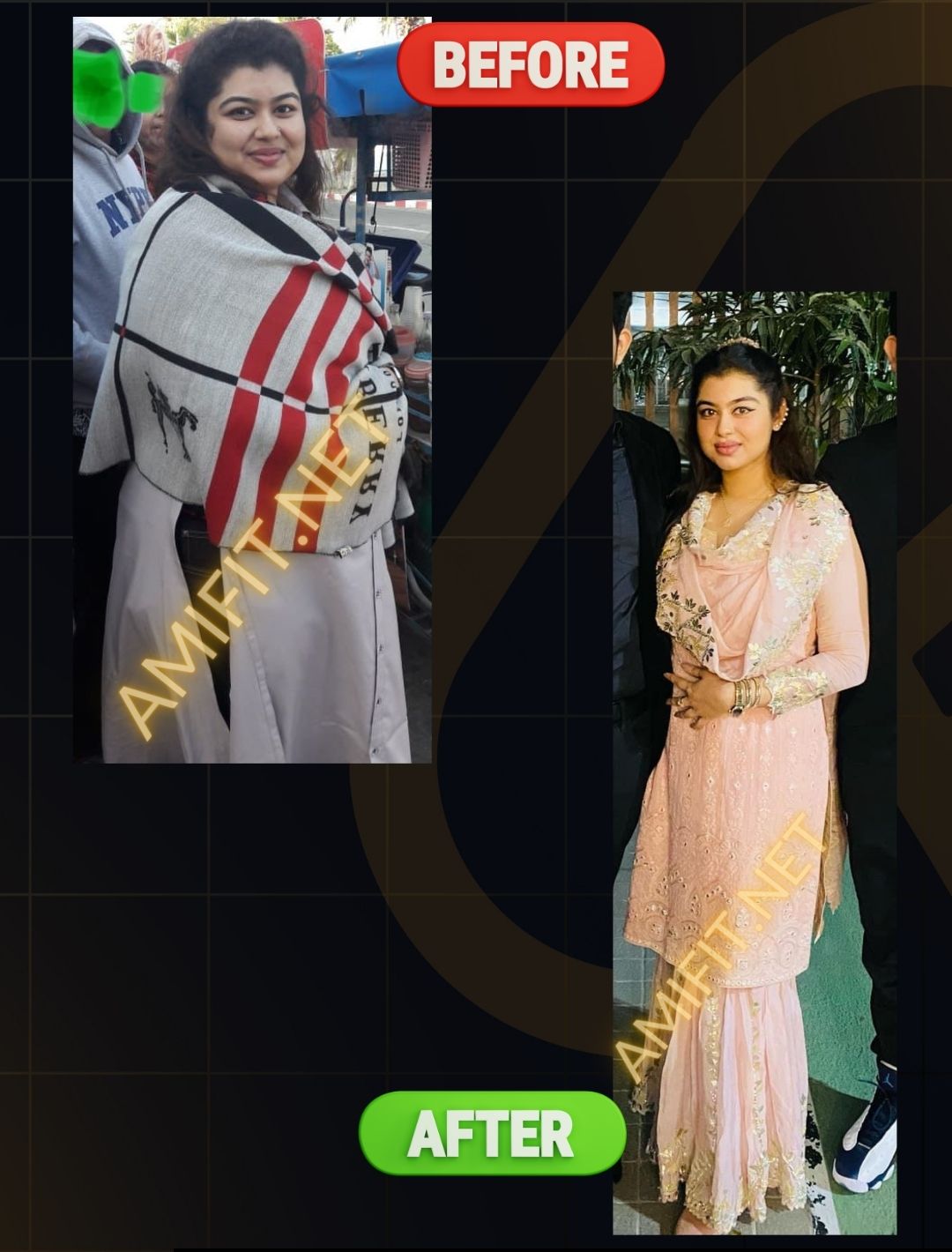
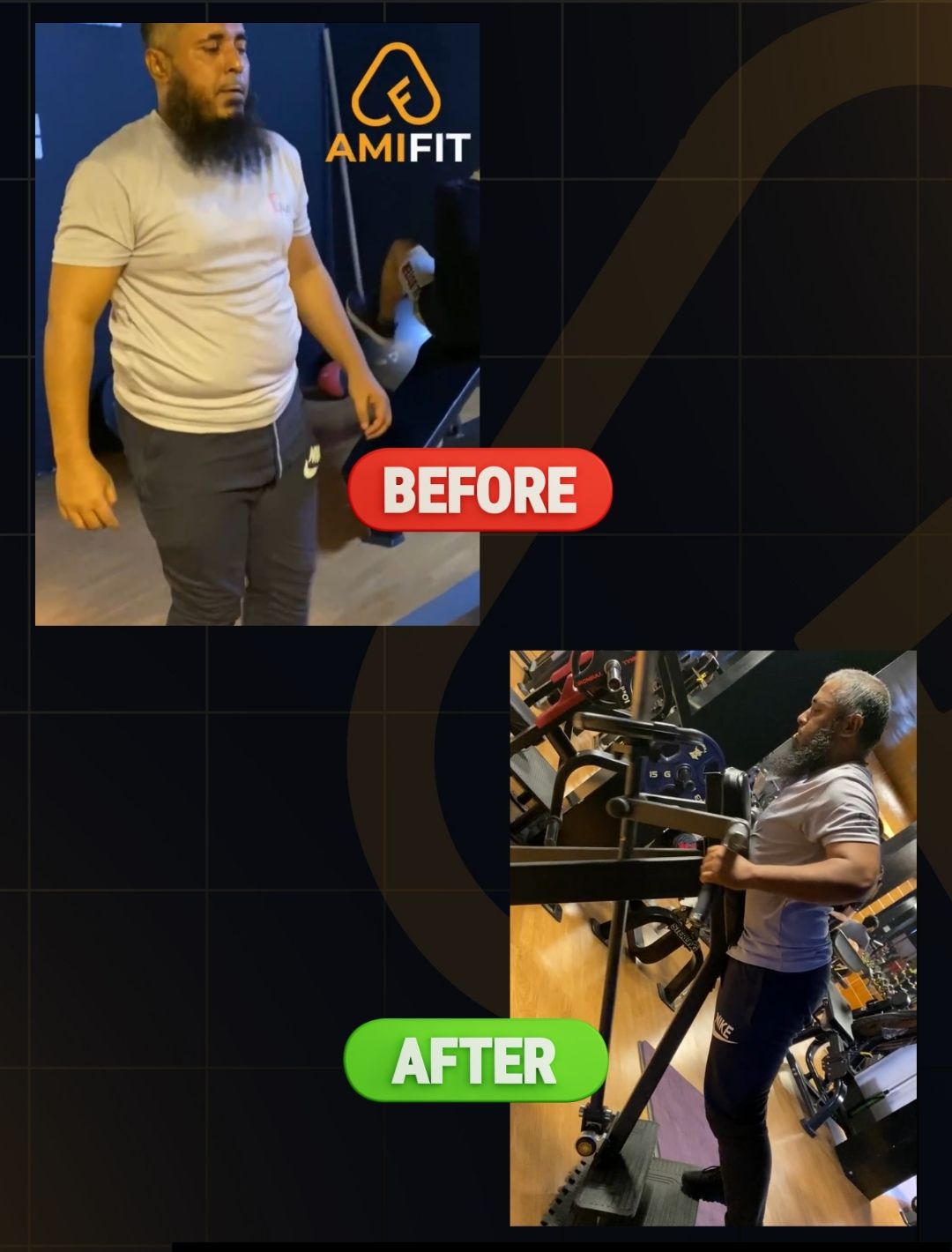
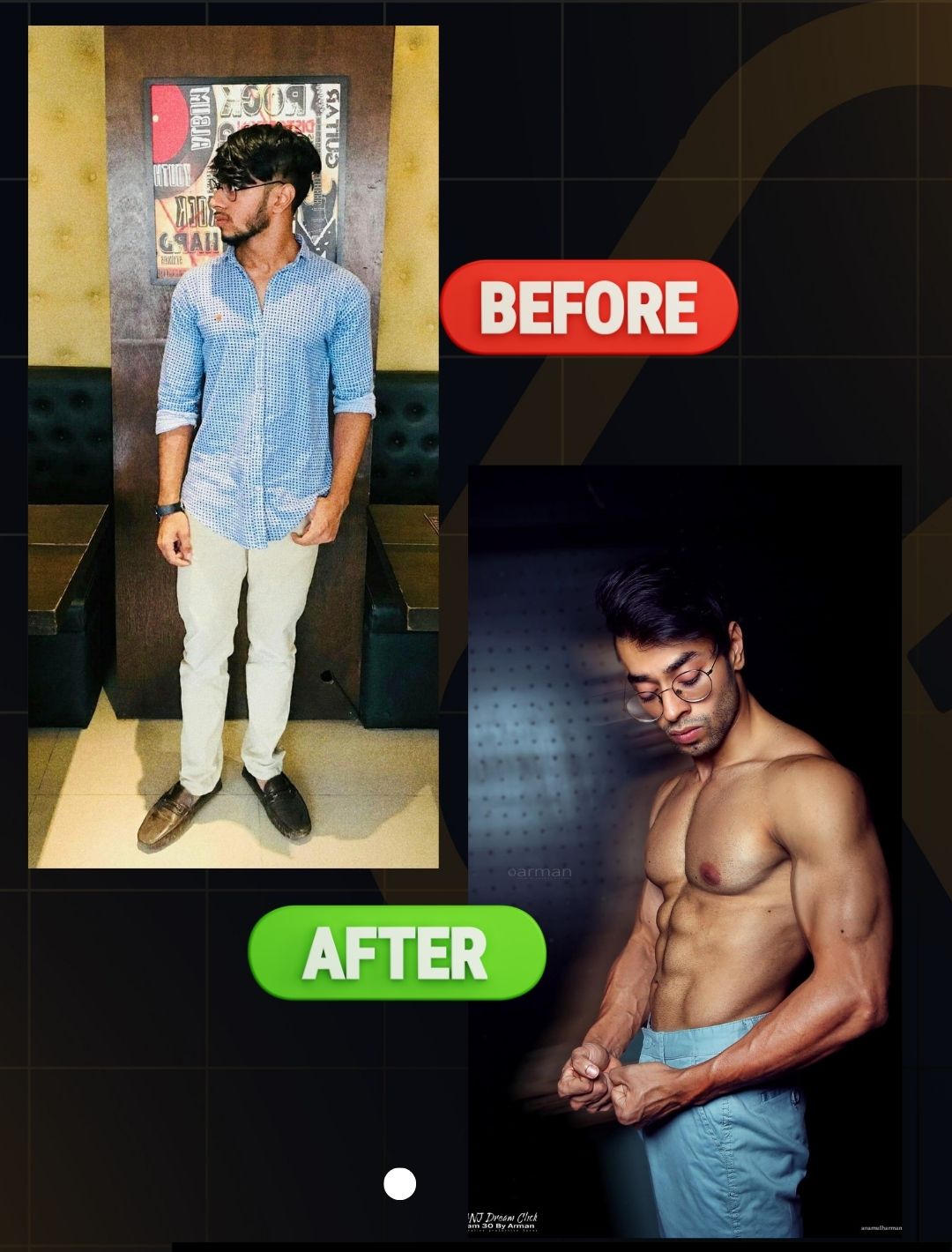
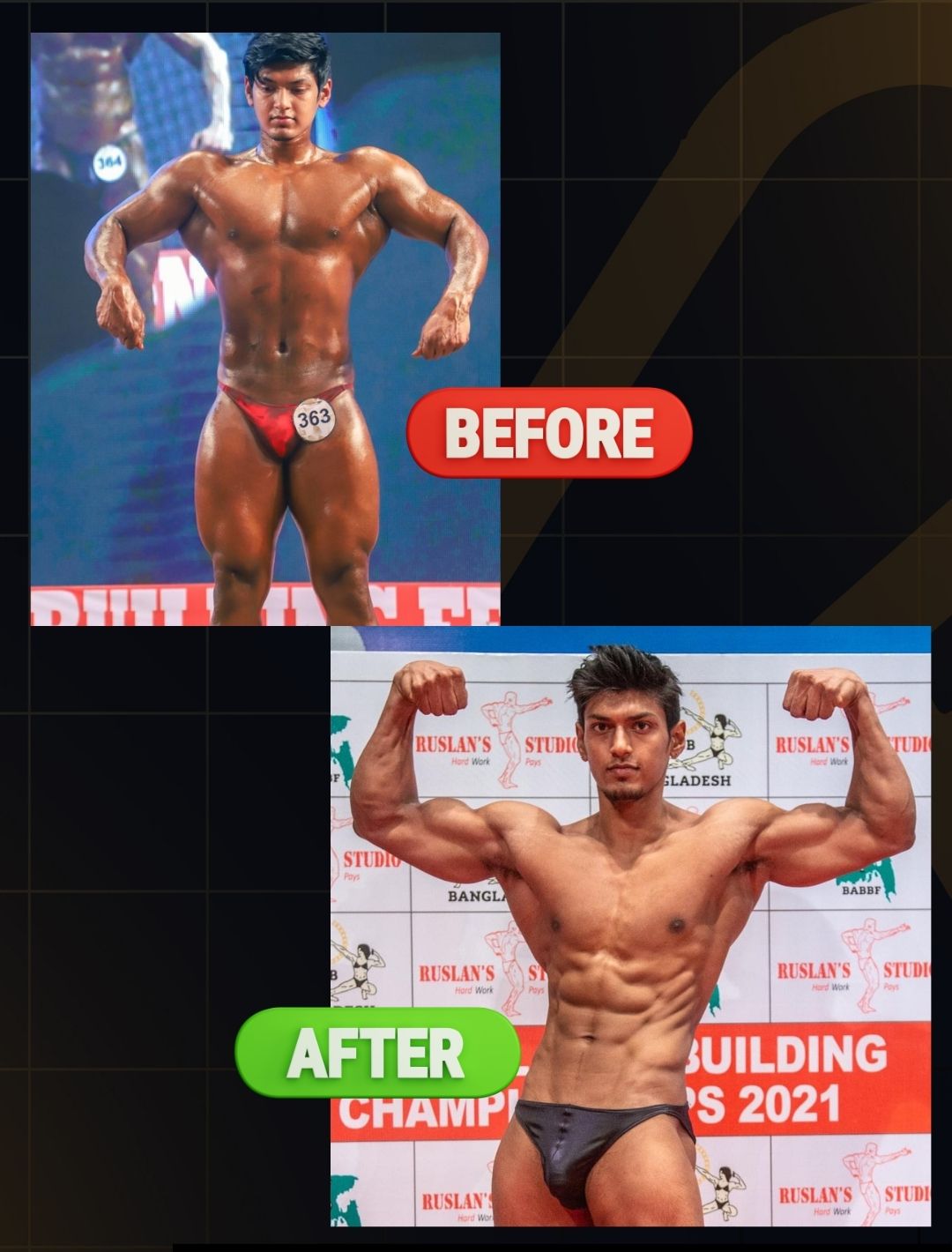
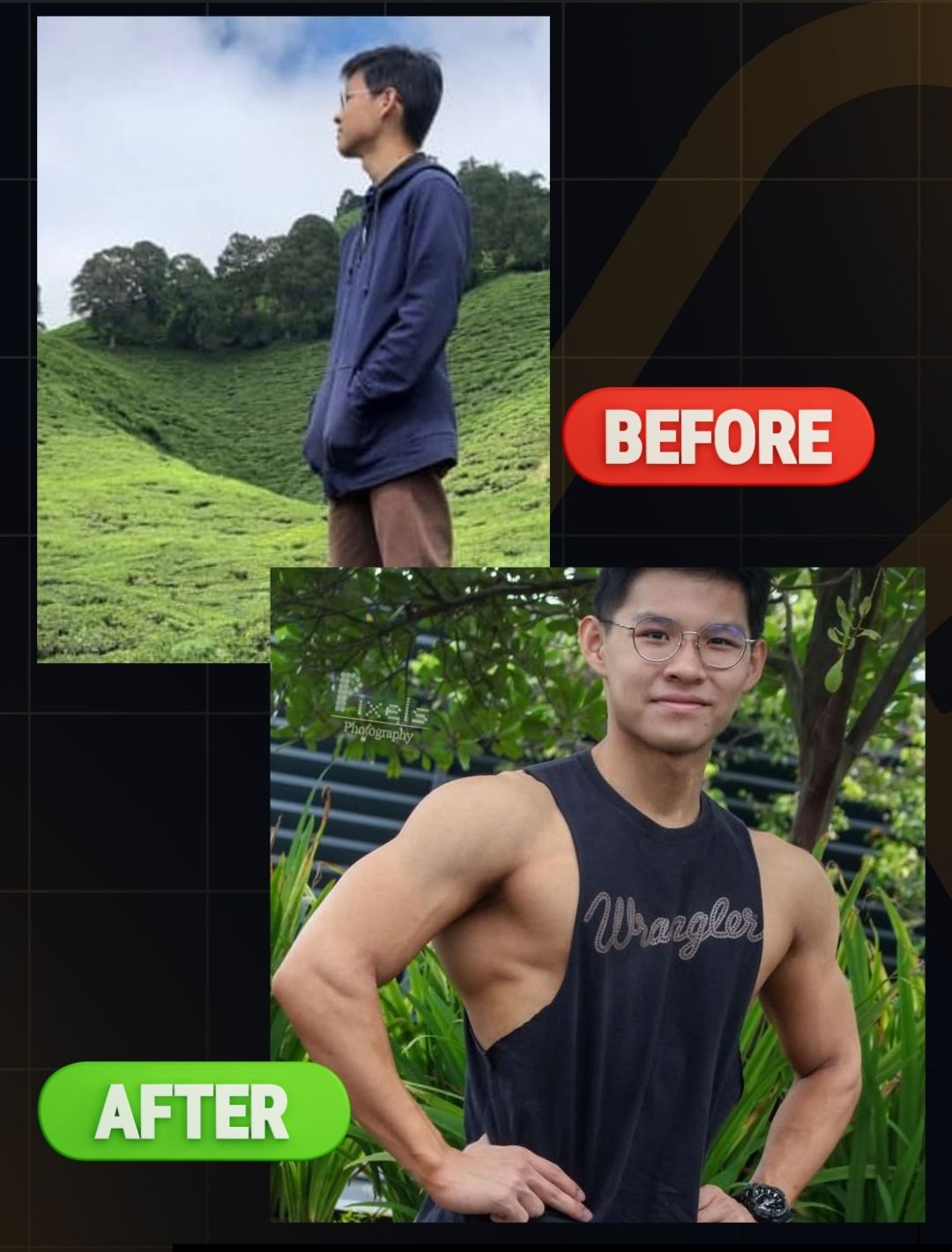
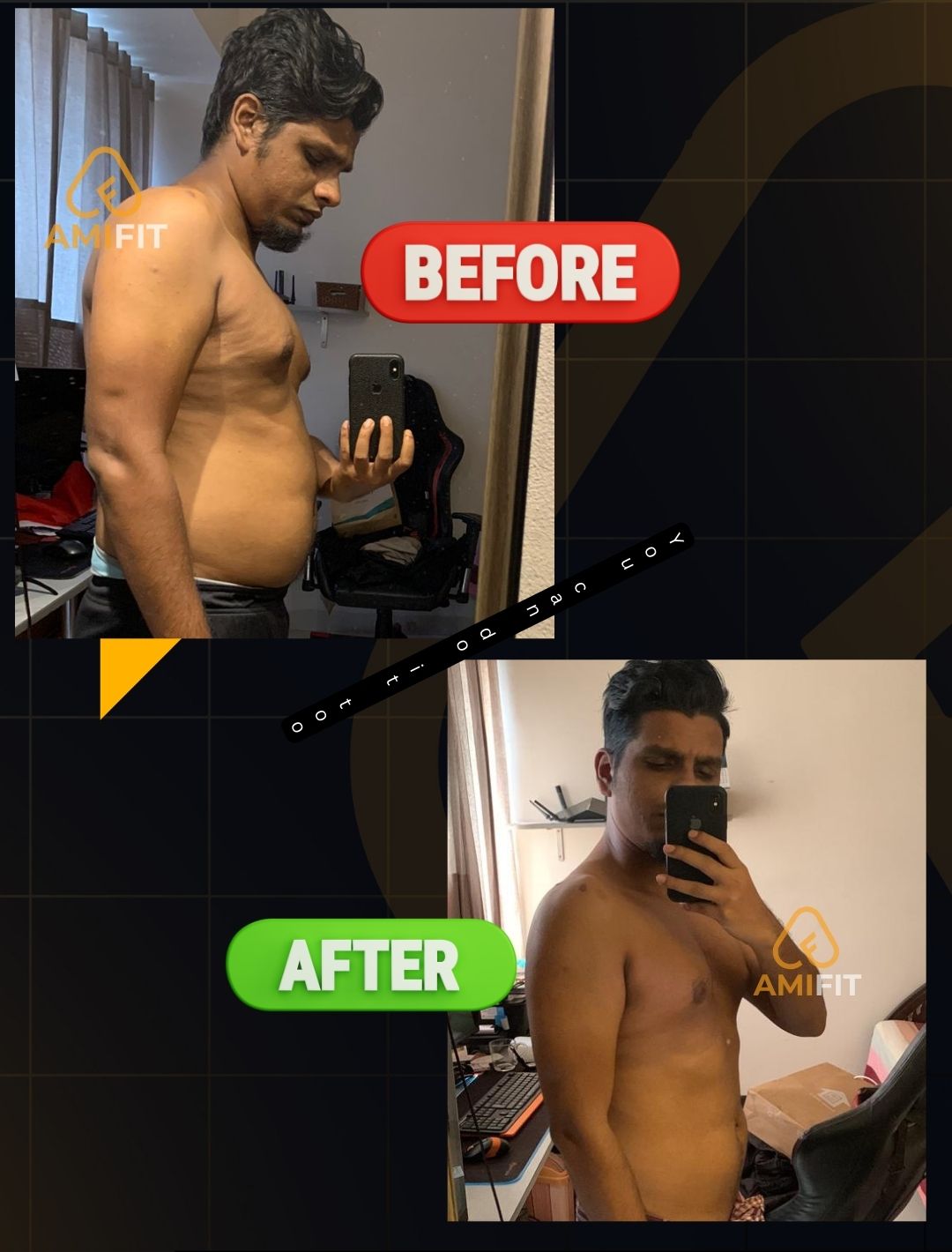
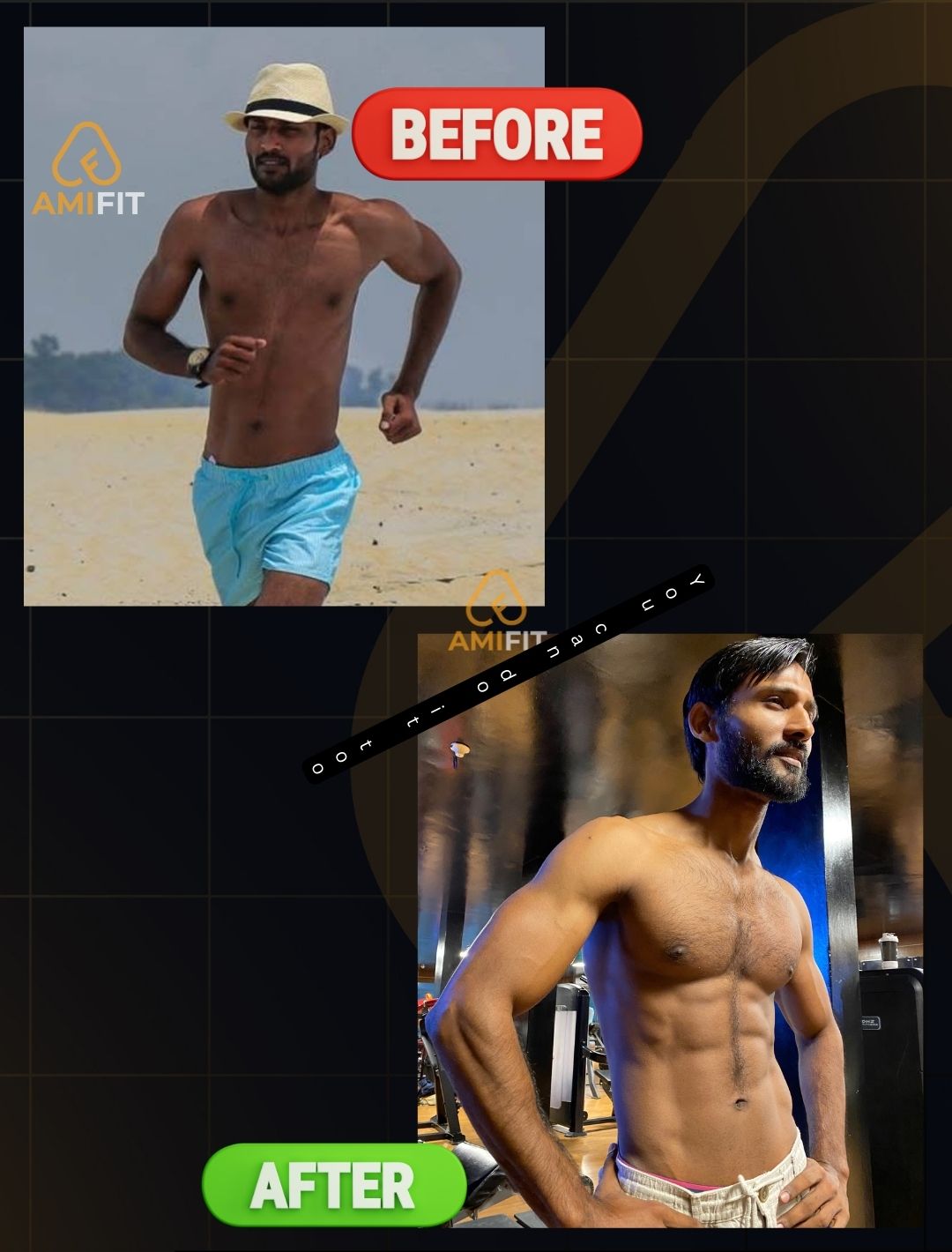
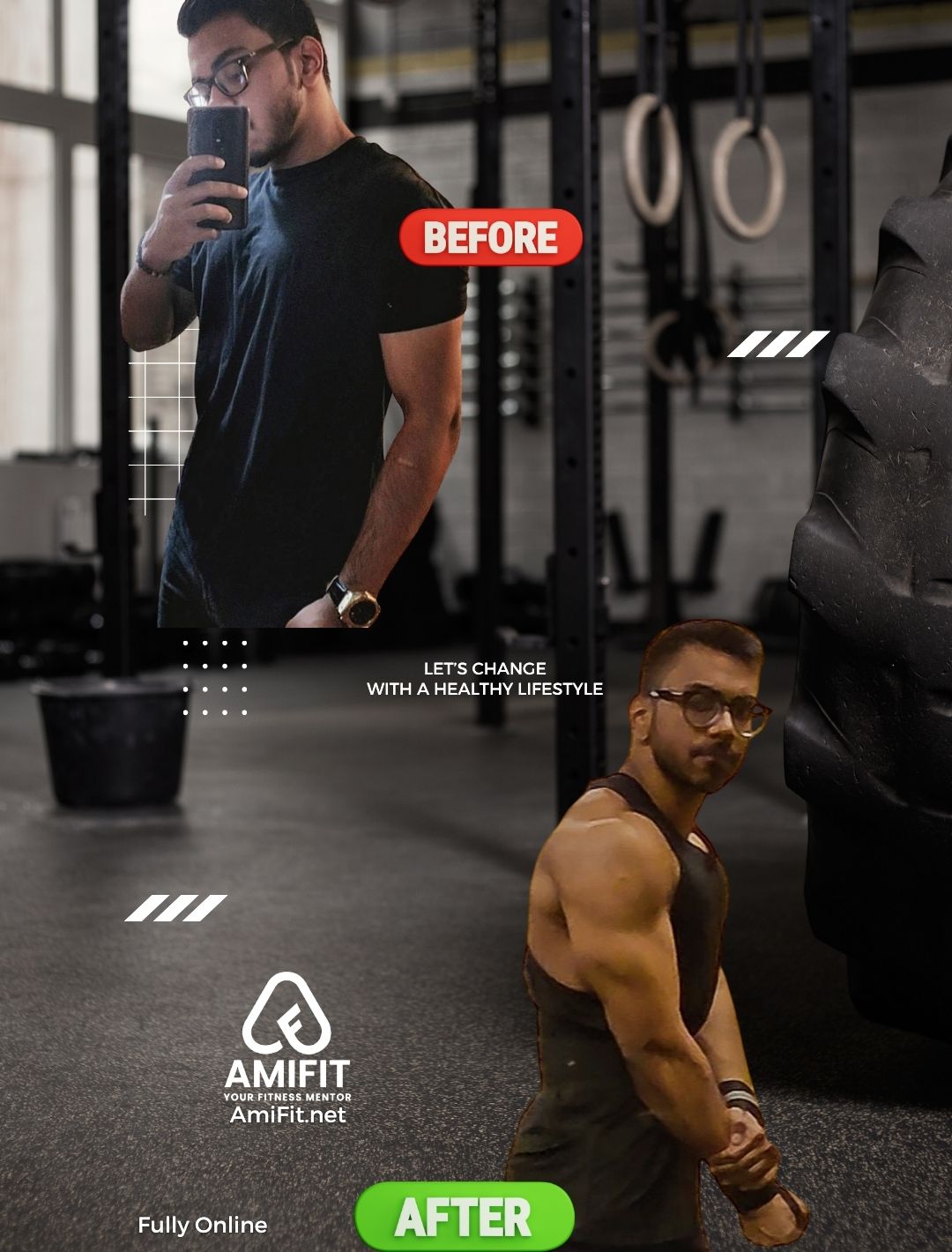
One decision. Your own starting point. Let’s see what you can build.
Individual outcomes vary with your starting point, your circumstances, and your consistency. The coaching adapts to all three.
Start my assessment →Your life is the starting point
The meetings. The travel. The family meals. The ambition to feel as capable in your body as you are in the rest of your life.
A demanding schedule. A structure that holds when your week changes.
Effort without progress. A clearer understanding of what to adjust.
A body worth investing in. Strength, confidence, and a way forward you can sustain.
Professionals. Business owners. Parents. People ready for a more considered approach.
Your goal matters. So does the week you need to fit it into. Begin here and carry these answers into your full assessment.
Four questions to get started.
Then we look at the whole picture.
The method
Your goals give us a direction. Your body and your life tell us how to get there.
Inside the coaching processYour training history, food preferences, schedule, available equipment, and starting point. The details that make the plan yours.
Assessment & conversationTraining, nutrition, and recovery considered together. A purposeful structure that fits your goal and the week you actually have.
Your individual programReview what you complete, how you respond, and what changes in your life. Use that feedback to decide the next step.
Ongoing coaching & reviewSix directions. One principle: build around the person, then adapt to the progress.
For a leaner body without losing sight of strength.
Training, everyday movement and food choices organised around a sustainable routine.
Explore lose fatFor people ready to build size and strength.
Progressive training and a practical nutrition structure that fits your appetite and schedule.
Explore gain healthy weightFor confidence in how you look and feel.
A personal combination of strength, body composition and habits, shaped around your own goal.
Explore look hotFor a stronger shape and more capable body.
Resistance training and nutrition considered together, with progress reviewed beyond the scale.
Explore body toning & reshapingFor experienced trainees seeking a more deliberate next step.
Exercise selection, progression and recovery refined around your training history.
Explore physique upgradeFor staying strong and capable through the years.
Strength, movement and daily function, adapted to your starting point and limitations.
Explore anti-aging & body functionKnowledge, put to work
Goal: build strength.
Reality: frequent travel and changing availability.
I teach people and trainers to understand the reasoning behind good fitness decisions. I bring that same depth to the programs I design for my clients.
The connections matter. An exercise belongs in your program for a reason. So does the way we organise your food, manage your training week, and decide when to progress.
Understand the science.
Apply it to the individual.
Nine countries. One connected practice.
From Kuala Lumpur to the world. Personal support, wherever life takes you.
A connected body of knowledge
Nine fields of study. Connected through one practice, and applied to your program.
Opening the knowledge map…
Hover a subject or a connection. Select to keep reading.
Highlighted paths explain shared curriculum topics. The fine background web illustrates the wider knowledge network.
Every decision in your plan
has a reason.
Evidence-based educational research and harm-reduction reference. AMIFIT does not sell, prescribe, or promote scheduled compounds. This curriculum exists for physiological literacy and informed harm reduction. It is not medical advice, a protocol, or a recommendation to use any substance. Nothing in it substitutes for the guidance of a licensed physician. Access is restricted to enrolled coaching clients.
Movement patterns, exercise selection, progressive overload, and programme design. Build the reasoning behind every session.
Practical nutrition, food selection, and energy balance, with a structure that respects culture and everyday eating.
Understand common signals, build awareness, and recognise when to seek professional medical guidance.
The nervous system, brain anatomy, and the relationship between movement, recovery, and performance.
The systems layer. How the endocrine, metabolic, musculoskeletal and nervous systems interact under training load, and why the same stimulus produces different responses in different people.
Micronutrient and macronutrient science. Absorption, interaction, deficiency presentation, and the difference between a dietary reference intake and an individual requirement.
Endocrine signalling and its response to training, sleep debt, caloric restriction and chronic stress. Why aggressive dieting suppresses the systems it is meant to improve.
Enzymatic pathways underlying digestion, energy substrate use and detoxification, and the rate-limiting steps that explain why some interventions plateau.
Critical evaluation of the supplement market. What has replicated evidence, what has a single funded trial, what has none, and how to read a label and a study without being misled by either.
Academic review of peptide science and the published literature. Mechanism, evidence quality, regulatory status by jurisdiction, and documented risk. Educational and harm-reduction reference only.
Academic review of anabolic androgenic steroid pharmacology and the published literature. Mechanism, physiological consequence, documented harm profile, and legal status by jurisdiction. Written from a harm-reduction position for trainees who require accurate information. Educational reference only.
A portion of the reference is published openly. Browse the public knowledge reference ↗

Meet your coach
NASM Certified Personal Trainer
Master Trainer · Founder, AMIFIT
I have spent more than 15 years coaching people, studying the science behind their progress, and turning that understanding into practical decisions.
My work connects personal coaching, trainer education, and the learning resources I build. When you work with me, that knowledge comes with a person who takes responsibility for your plan.
Meet your coachPut the expertise to work
For your own progress, your professional development, or the people in your organisation.
Inside your program
Movement, recovery and physiology considered together.
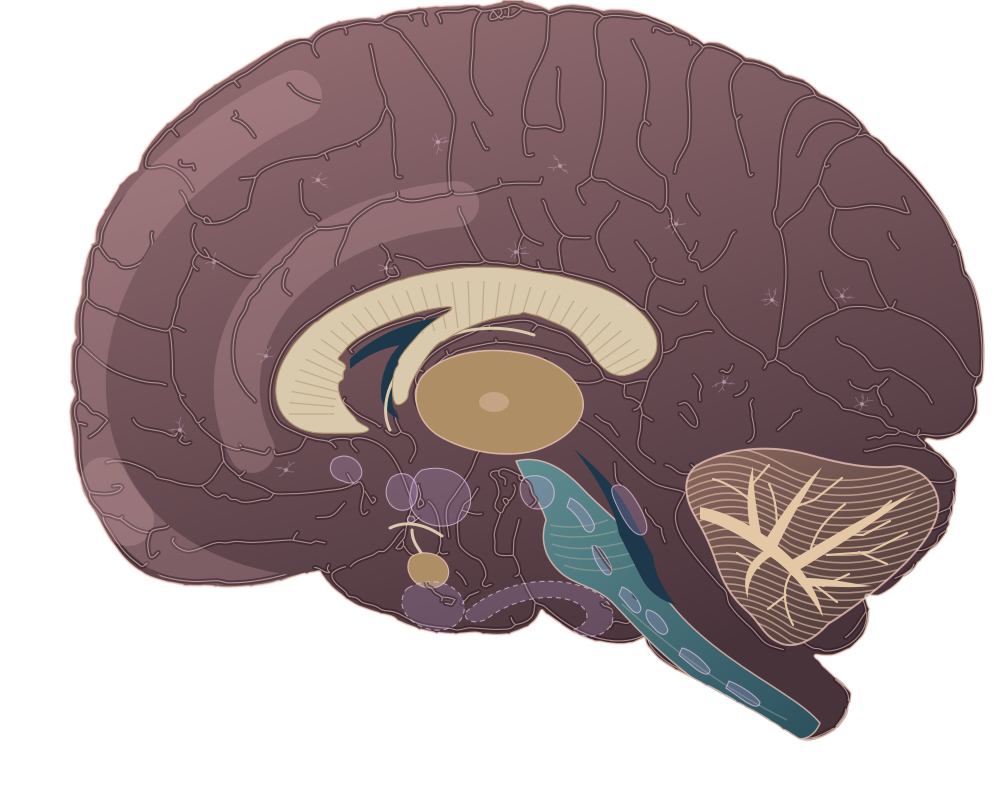
Prefrontal cortex: planning and attention support learning and practice.
Oxygen delivery · circulation · digestion · energy supply
Movement, nutrition, recovery, experience, and daily life. We consider them together before deciding what your program needs.
The brain participates in movement, learning, and regulation. This anatomical view brings some of those connections into focus.
In coaching, we ask practical questions: are the cues clear, is the exercise familiar, and does the progression suit your experience?
Head position, shoulder movement, strength, and comfort all inform exercise selection. An upper crossed pattern gives us questions to investigate, not a diagnosis from appearance.
A change in position can guide movement practice, then build strength and control over time.
Pelvic position, hip movement, and trunk control influence how an exercise feels. A lower crossed pattern is one reason to look closer at these relationships.
We assess positions, explore comfortable range, and build capacity. Posture varies between people; the goal is better movement options, not one ideal silhouette.
The lungs exchange gases. The heart circulates blood. The digestive system processes food. Their roles connect the training session to the way your body is fuelled and supported.
That is why training demand, food tolerance, recovery, and relevant health history belong in the same conversation.
Educational illustrations, not a diagnosis. Symptoms and health concerns may need assessment by an appropriate clinician.
Brain geometry: the existing AMIFIT neuroscience atlas, derived from Sobotta (1909), plate 624. Regional markers are simplified anatomical guides.
Upper crossed exercise trial ↗Pelvic tilt evidence review ↗Training and nutrition designed around you, with personal guidance and ongoing adjustments through managed coaching.
Build the knowledge to make informed training decisions.
Become Your Own Trainer AcademyLearn the reasoning behind the material as you prepare for certification.
Personal Trainer Certification PrepFitness and wellness programs shaped around your team and workplace.
Corporate Fitness & WellnessFrom your first assessment to the way coaching fits your life.
Coaching options ↗AmiFit works with professionals, business owners, parents and committed individuals who want training and nutrition built around their lives. Beginners and experienced trainees can both start with an assessment; your background helps determine the approach.
You share your goals, training history, food preferences, schedule and current circumstances. These details establish a starting point for a conversation about the right approach. The assessment takes about seven minutes and does not request payment details.
No. Your current ability is a starting point, not an entry requirement. Tell us what you can comfortably do, what you have tried before and where you need support.
Your answers provide context for the next conversation and your individual plan. Discuss suitability, the coaching format, support and pricing before deciding whether to proceed.
Yes. Your familiar meals belong in the planning conversation. The aim is a workable overall eating pattern, with portions and meal composition considered alongside your goal, rather than automatically removing rice.
Food culture, family meals and dining habits are part of your assessment. Tell us what you normally eat so the nutrition structure can be built around realistic choices instead of a menu that does not fit your household.
Discuss a tracking approach that you can use consistently. Some people prefer detailed food records; others need a simpler structure. Your preferences and the feedback needed to review progress guide that decision.
Do not assume that you need to buy supplements before starting. The initial conversation focuses on your training, food and routine. Mention anything you already take, and direct medication or medical supplement questions to your clinician.
Your available equipment and training space are part of the assessment. A home-based structure can be discussed alongside your goal and starting point; describe what you have rather than buying equipment in advance.
There is no single schedule for every client. The plan needs to account for your goal, experience, recovery and actual availability. Be honest about the time you can consistently protect.
Healthy weight gain, strength and physique development are among the goals we plan around. Training and nutrition are considered together, with the structure adapted to your history, appetite and routine.
It describes a goal around body shape, strength and confidence. We discuss what you want to change and use that to guide training and nutrition, rather than treating toning as a separate kind of exercise or promising a specific appearance.
Your schedule and available equipment are part of the assessment. We use them to shape a workable training and nutrition structure, then review it as your circumstances change. Share likely travel before the plan is designed.
Tell us your genuine time limit. The coaching conversation should establish a realistic structure and what it can support. A plan you can follow through an ordinary busy week is more useful than an ideal schedule you cannot keep.
Report what happened so the next step reflects your actual week. Workload, travel, family responsibilities and recovery are useful feedback for adjusting the plan, rather than reasons to hide a gap in your training.
Let us know that you are fasting so training availability, meal timing, sleep and your routine can be discussed. Individual circumstances matter. If you have a medical condition or questions about whether fasting is suitable, consult your clinician.
You begin by sharing your starting point and circumstances. Training and nutrition are designed around that information, then completed sessions, progress and your feedback inform the next adjustment. Confirm the contact and review arrangements for your chosen service.
AmiFit is based in Kuala Lumpur and works with people worldwide. The existing coaching community spans nine countries. Discuss your location, time zone and preferred format when you enquire.
Adjustments should follow your response and circumstances, rather than changing exercises simply for novelty. Confirm review frequency and what to share between reviews when you agree your coaching arrangement.
AmiFit brings your training, nutrition, schedule and feedback into a personal coaching relationship. The value is in the reasoning behind your plan and its ongoing review, with the exact support determined by the service you choose.
Yes. Your goals, experience, preferences and stage of life belong in the assessment. Share any circumstances that affect your training so suitability and the right level of support can be discussed.
Yes, and please mention pregnancy, recent birth and any clinical guidance at the outset. A suitability conversation comes before a plan. Exercise coaching does not replace care from your maternity team or other healthcare professionals.
The focus is staying strong and capable in daily life: training, movement, consistency and an approach suited to your starting point. The programme name is not a promise to reverse ageing or treat an age-related condition.
Tell us about your history and any restrictions from your healthcare team before starting. Suitability may depend on medical clearance or specialist support. AmiFit does not diagnose pain, provide rehabilitation treatment or replace a clinician.
Use your main goal as the starting point: Lose Fat, Gain Healthy Weight, Look Hot, Body Toning & Reshaping, Physique Upgrade, or Anti-aging & Body Function. You do not need to diagnose your needs yourself; the assessment helps clarify the direction.
Pricing depends on the service and format. Visit the coaching page for the current options, then confirm the scope, currency and terms for the arrangement you want. The free assessment itself does not request payment details.
Coaching gives you a programme and personal support in applying it. The Become Your Own Trainer Academy develops your own understanding. Certification preparation supports people working towards a professional qualification.
AmiFit offers preparation pathways for NASM, ACE, NSCA, ACSM, NCSF and NFPT. Consult the certification page for the current course details. Preparation through AmiFit is separate from the awarding organisation and its examination requirements.
Asm Rashed Kamal is the founder of AmiFit and a NASM Certified Personal Trainer. His work connects personal coaching, trainer education and the learning resources behind AmiFit. The coach page provides more background.
The existing AmiFit coaching record includes more than 15 years of coaching, over 1,200 clients and a community across nine countries. Experience informs the decisions in a plan; it does not guarantee that every person will achieve the same outcome.
Learn is a connected knowledge library covering training, nutrition and the science that informs fitness decisions. The public prospectus explains its scope and access options. It is educational material, not a substitute for medical advice.
The coaching relationship is built around applying a plan in your life. Learn gives you a way to explore the reasoning in more depth. Discuss your interest and access with your coach; it is a different pathway from preparing for a professional exam.
The measures should reflect your goal and circumstances. Completed training, your feedback and changes over time help guide the review. Agree which records are useful and manageable instead of assuming the scale is the only measure.
No individual outcome can be promised from another person’s photographs. Your starting point, circumstances and consistency affect progress. The gallery shows real client journeys, with that variation made clear alongside the images.
The assessment keeps a draft in the browser you use, so you can return on that device. It is not a cross-device backup. On a shared device, consider who else can access the browser, and avoid leaving sensitive details in an unfinished draft.
Yes. Use the WhatsApp link to ask about the service or your circumstances before committing. For a medical question, diagnosis or treatment decision, contact a qualified healthcare professional instead of relying on a coaching enquiry.
Make it happen
Start with your body, your goals, and the life you lead.
Start my assessmentAbout seven minutes. No payment details.
Prefer a conversation? Message me